

Return to work
Work Injury Treatment in Davenport
Care for work related pain, overuse injuries, back pain, neck pain, shoulder pain, and mobility limitations.
Care for everyday demands
Work related injuries can develop over time or from a single event. Repetitive movement, lifting, sitting, standing, or overuse can all contribute to discomfort and reduced function.

Return to function
Four focus areas
Reduce Pain
Support relief from discomfort that affects work and daily tasks.
Restore Movement
Improve mobility so the body can function more comfortably.
Support Recovery
Use therapies and care strategies designed around the injury pattern.
Build A Clear Plan
Create a care path based on symptoms, work demands, and goals.
Concerns we hear
Work-Related Symptoms and Movement Concerns We Evaluate
If any of these sound familiar, you are in the right place.
Back pain
A familiar pain pattern that interferes with daily life — and one our integrated approach is built to address.
Neck pain
A familiar pain pattern that interferes with daily life — and one our integrated approach is built to address.
Shoulder pain
A familiar pain pattern that interferes with daily life — and one our integrated approach is built to address.
Stiffness
Restricted movement that builds up over time. Targeted therapy helps restore comfortable range of motion.
Overuse stress
A common concern we hear from patients — and one our integrated approach is built to address.
Lifting related pain
A familiar pain pattern that interferes with daily life — and one our integrated approach is built to address.
Mobility limitations
Restricted movement that builds up over time. Targeted therapy helps restore comfortable range of motion.
The RENEW Healing Framework
What Your Work Injury Care Plan May Include
Evaluation
Symptoms, work demands, and history.
Plan
Chiropractic, decompression, SoftWave, recovery, wellness support.
Adjust
Care evolves as you progress.
What you may notice
Potential Benefits of Personalized Work Injury Care
Reduced discomfort
Improved movement
Better function during daily activity
Support for overuse related symptoms
Clearer understanding of the source
Work Injury — What to Expect
Work injuries can involve repetitive strain, sudden accidents, lifting injuries, or other musculoskeletal concerns. We begin by understanding how the injury happened, which activities are difficult, and how your symptoms are affecting your ability to work and function.
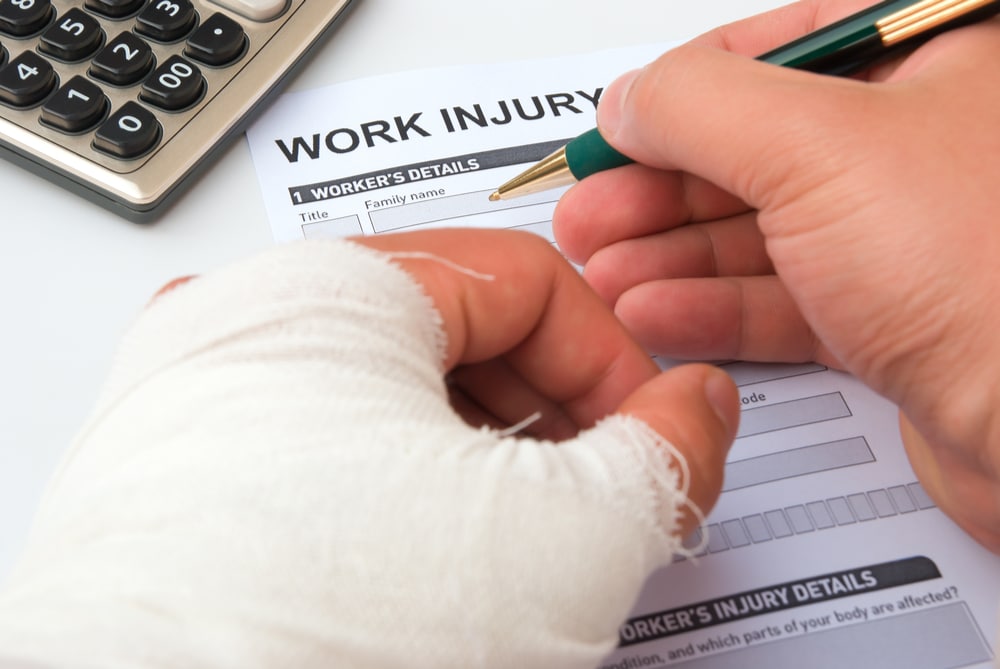
- Detailed review of how and when the injury occurred
- Evaluation of the affected area, movement, and function
- Personalized treatment recommendations based on your findings
- Documentation of relevant symptoms and progress
- Ongoing reassessment as you move through your care plan
Continue exploring
Related Services and Conditions for Work Injury Care
Answers before you ask
Common Questions About Work Injury Care
Can repetitive movements cause a work-related injury even without a single accident?
Yes. Repeated movements, forceful tasks, vibration, or sustained positions can contribute to some muscle, tendon, and nerve problems. Symptoms may develop gradually. Medical evaluation can help assess the condition; determining work-relatedness or benefits may require a separate occupational process.
What symptoms after lifting, bending, or repetitive work should be evaluated?
Persistent pain, swelling, reduced movement, numbness, tingling, or weakness should be assessed, especially if symptoms affect safe work or daily activities. A sudden pop with loss of function, significant trauma, or rapidly worsening symptoms warrants prompt attention.
What information about my job duties and symptoms should I bring to an evaluation?
Describe the tasks involved, loads handled, repetitive movements, and when symptoms started. Note what worsens or eases them and any previous injuries. Bring relevant medical records and follow your employer’s injury-reporting process, including any requirements for an authorized provider.
How are work activities and movement limitations considered when planning care?
An evaluation considers the physical demands of your role alongside symptoms, strength, movement, and function. The treating clinician may recommend temporary activity changes or further assessment. Formal work restrictions and return-to-work clearance must follow the appropriate clinical and occupational process.
When should a work-related injury receive urgent medical attention?
Seek urgent care for a major fall, crush injury, suspected fracture, severe bleeding, or a head injury. New significant weakness, loss of sensation, or bladder or bowel changes also require urgent assessment. Call 911 for life-threatening symptoms rather than waiting for a clinic appointment.