
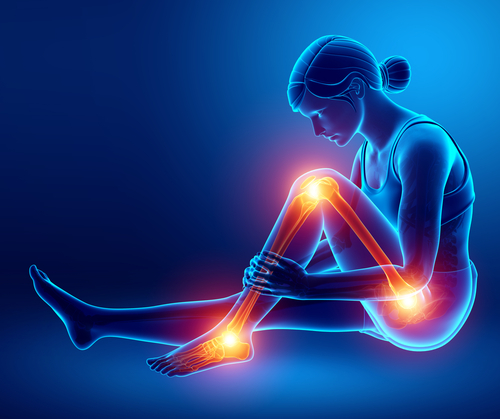
WALK, MOVE & STAY ACTIVE MORE COMFORTABLY
Leg Pain Treatment in Davenport, IA
Personalized care for leg pain, aching, stiffness, numbness, tingling, burning, weakness, and mobility-related symptoms affecting your everyday life.
Understanding What May Be Causing Your Leg Pain
Leg pain can affect much more than walking. It can make standing, climbing stairs, exercising, working, sleeping, or simply getting through the day more difficult.
Because your legs contain major joints, muscles, tendons, nerves, and blood vessels, similar symptoms can have very different causes. Pain may begin within the leg itself or sometimes originate from another area, such as the lower back, hip, or knee.
At Abundant Health Physical Medicine, care begins by understanding where your symptoms occur, what they feel like, what makes them better or worse, and how they're affecting your movement and daily activities.

EVERYDAY MOVEMENT MATTERS
How Your Legs Are Asked to Perform
Walking & Standing
Climbing Stairs
Bending & Squatting
Lifting & Carrying
Sports & Exercise
Work & Daily Activities
CONCERNS WE EVALUATE
Leg Pain Can Take Many Forms
The location and pattern of your symptoms can provide important clues about what may be contributing to the problem.
Aching or Persistent Leg Pain
Pain may involve muscles, joints, tendons, nerves, or other structures. Understanding when symptoms occur and which activities aggravate them helps guide the evaluation.
Numbness & Tingling
Pins-and-needles sensations or reduced feeling in the legs or feet may indicate nerve involvement. Persistent or recurring sensory changes deserve appropriate evaluation.
Burning Sensations
Burning or unusual sensations may sometimes occur with peripheral nerve problems or other conditions. The location, severity, and pattern of symptoms can help determine an appropriate next step.
Leg Weakness
Difficulty climbing stairs, standing, walking, or performing activities that previously felt normal may indicate changes in muscle or nerve function and should be evaluated appropriately.
Muscle & Soft-Tissue Pain
Physical activity, repetitive stress, overuse, previous injuries, or changes in movement can contribute to discomfort involving the muscles and surrounding tissues of the leg.
Pain With Walking or Activity
Leg symptoms that consistently develop or worsen during walking or physical activity can have several possible causes. A detailed history and appropriate examination can help determine whether musculoskeletal, neurological, vascular, or other factors need to be considered.
SCIATICA & RADIATING LEG PAIN
When Leg Pain May Begin in the Lower Back
Sometimes the problem isn't actually originating in the leg.
Nerves from the lower spine travel through the pelvis and into the legs. When one of these nerve pathways becomes irritated or compressed, symptoms may travel from the lower back or buttock into the thigh, lower leg, or foot.
Sciatica is a term commonly used for symptoms involving the sciatic nerve pathway.
Symptoms may include:
- Pain traveling from the lower back or buttock into the leg
- Sharp, shooting, or electric-like discomfort
- Numbness or tingling
- Burning sensations
- Leg or foot weakness
- Symptoms that change with certain positions or movements
Not every case of leg pain is sciatica, and not every case of sciatica feels the same. Understanding the pattern of symptoms can help determine whether the lower back or a nerve pathway may be involved.
NEUROPATHY & LEG SYMPTOMS
Could Your Leg Pain Involve Peripheral Neuropathy?
Peripheral neuropathy involves damage or dysfunction of nerves outside the brain and spinal cord. Symptoms commonly begin in the feet and may extend into the legs as the condition progresses.
Depending on the nerves involved, neuropathy symptoms may include:
- Burning discomfort
- Numbness or reduced sensation
- Tingling or pins-and-needles sensations
- Increased sensitivity
- Weakness
- Changes in balance or coordination
- Difficulty sensing temperature or touch
Peripheral neuropathy has many potential causes, including certain medical conditions, medications, nutritional deficiencies, injuries, and other health factors.
Because treating symptoms alone does not identify the underlying cause, appropriate medical evaluation may be needed as part of neuropathy care.
HIP, KNEE & LEG PAIN
Your Leg Doesn't Move in Isolation
Your hips, knees, ankles, muscles, and surrounding tissues work together every time you stand or take a step.
A problem involving one area can change how you move and place additional demands on another.
For example, leg discomfort may occur alongside:
Hip Pain & Stiffness
Changes in hip mobility or joint function can affect walking and how forces travel through the leg.
Knee Pain
Knee joint, tendon, or other musculoskeletal problems can affect standing, walking, climbing stairs, and exercise.
Muscle & Tendon Problems
Overuse, repetitive activity, exercise, or previous injuries may contribute to pain involving the thigh, calf, or other soft tissues.
Altered Movement
Pain or restricted mobility in one area may change the way you walk, stand, or move, potentially affecting other areas of the lower body.
Understanding these relationships can help determine whether the area that hurts is also the primary source of the problem.
THE RENEW HEALING FRAMEWORK
What Your Leg Pain Care Plan May Include
1
Leg, Movement & Nerve Assessment
We begin by reviewing your symptoms, health history, previous injuries, daily activities, and movements that affect the problem. Your evaluation may consider mobility, strength, sensation, balance, walking, and other relevant findings.
2
Personalized Care Plan
Depending on your findings, recommendations may include neuropathy-focused care, SoftWave Therapy, spinal decompression, chiropractic care, red light therapy, recovery technologies, movement-focused care, or other appropriate services.
3
Progress & Reassessment
Changes in comfort, sensation, mobility, strength, balance, and everyday function can be monitored throughout care. Recommendations may be adjusted based on your response.
WHAT YOU MAY NOTICE
Potential Benefits of Personalized Leg Pain Care
Depending on the cause of your symptoms and your response to treatment, goals may include:
More Comfortable Walking & Movement
Improved Mobility
Better Comfort During Daily Activities
Support for Muscle & Joint Function
Support for Nerve Function
Improved Confidence With Everyday Movement
Individual responses vary, and specific results cannot be guaranteed.
Leg Pain — What to Expect
Your first visit focuses on understanding where your leg symptoms occur, what they feel like, and how they're affecting your movement and everyday activities. Because leg pain may involve joints, muscles, nerves, the spine, or other health concerns, evaluation comes before treatment recommendations.
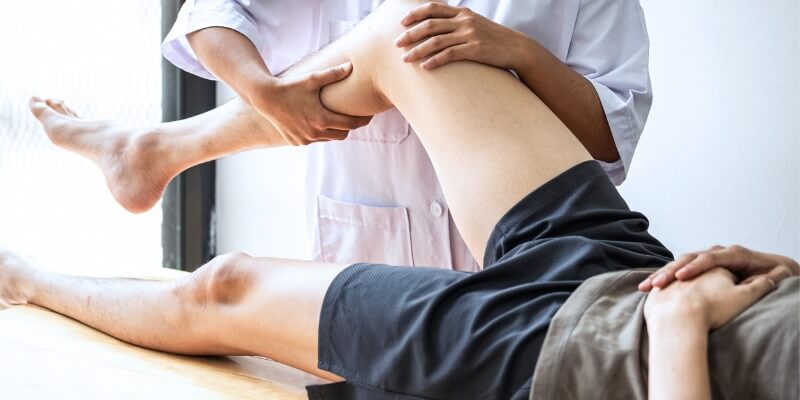
- Discuss your symptoms and history: We'll review when your symptoms began, where you feel them, previous injuries or treatments, and which activities or positions affect them.
- Evaluate movement and function: Your assessment may consider walking, mobility, strength, balance, range of motion, and other findings relevant to your symptoms.
- Consider possible nerve involvement: If you're experiencing numbness, tingling, burning, radiating pain, or weakness, relevant neurological factors may be considered.
- Look beyond the painful area: Your evaluation may consider whether the lower back, hip, knee, or another area could be contributing to your leg symptoms.
- Develop a personalized recommendation: If care at Abundant Health may be appropriate, we'll explain the treatment options recommended based on your findings and goals.
- Monitor your progress: Changes in symptoms, mobility, strength, sensation, and daily function can be reassessed throughout care.
- Recommend additional evaluation when appropriate: If your symptoms suggest a vascular, neurological, orthopedic, or other condition requiring additional medical assessment, an appropriate next step may be recommended.
ANSWERS BEFORE YOU ASK
Common Questions About Leg Pain Care
What can cause leg pain?
Leg pain has many potential causes, including muscle or tendon problems, joint conditions, previous injuries, overuse, sciatica, peripheral neuropathy, and other nerve-related problems. Certain vascular and medical conditions can also cause leg symptoms, making appropriate evaluation important.
Why does my leg pain travel from my back or hip?
Pain traveling from the lower back or buttock into the leg may sometimes involve irritation of a spinal nerve pathway. Sciatica is one common example, although other conditions can cause similar symptoms.
Can neuropathy cause pain in my legs?
Yes. Peripheral neuropathy commonly affects the feet and legs and may cause burning, numbness, tingling, sensitivity, weakness, or changes in balance. Because neuropathy has many possible causes, appropriate medical evaluation may be needed.
What if my leg feels numb or weak?
Numbness or weakness can sometimes indicate nerve involvement and should be evaluated appropriately, particularly when symptoms are new, worsening, or affecting walking and balance.
Can hip or knee problems cause leg pain?
Yes. Problems involving the hip or knee can produce localized discomfort and may also change the way you walk or move, potentially affecting other areas of the leg.
Can leg pain be treated without surgery?
Some causes of leg pain may respond to conservative or non-surgical care, while others require different medical treatment or surgery. The appropriate treatment depends on what is causing the symptoms and their severity.
When should I seek immediate medical care for leg pain?
Seek prompt medical attention for sudden or significant leg swelling, redness or warmth—particularly on one side—severe pain after an injury, a cold or discolored limb, sudden loss of sensation or strength, or an inability to bear weight. Leg symptoms accompanied by chest pain or difficulty breathing require emergency medical attention. New severe leg weakness or numbness accompanied by loss of bladder or bowel control or numbness around the groin also requires emergency evaluation.