
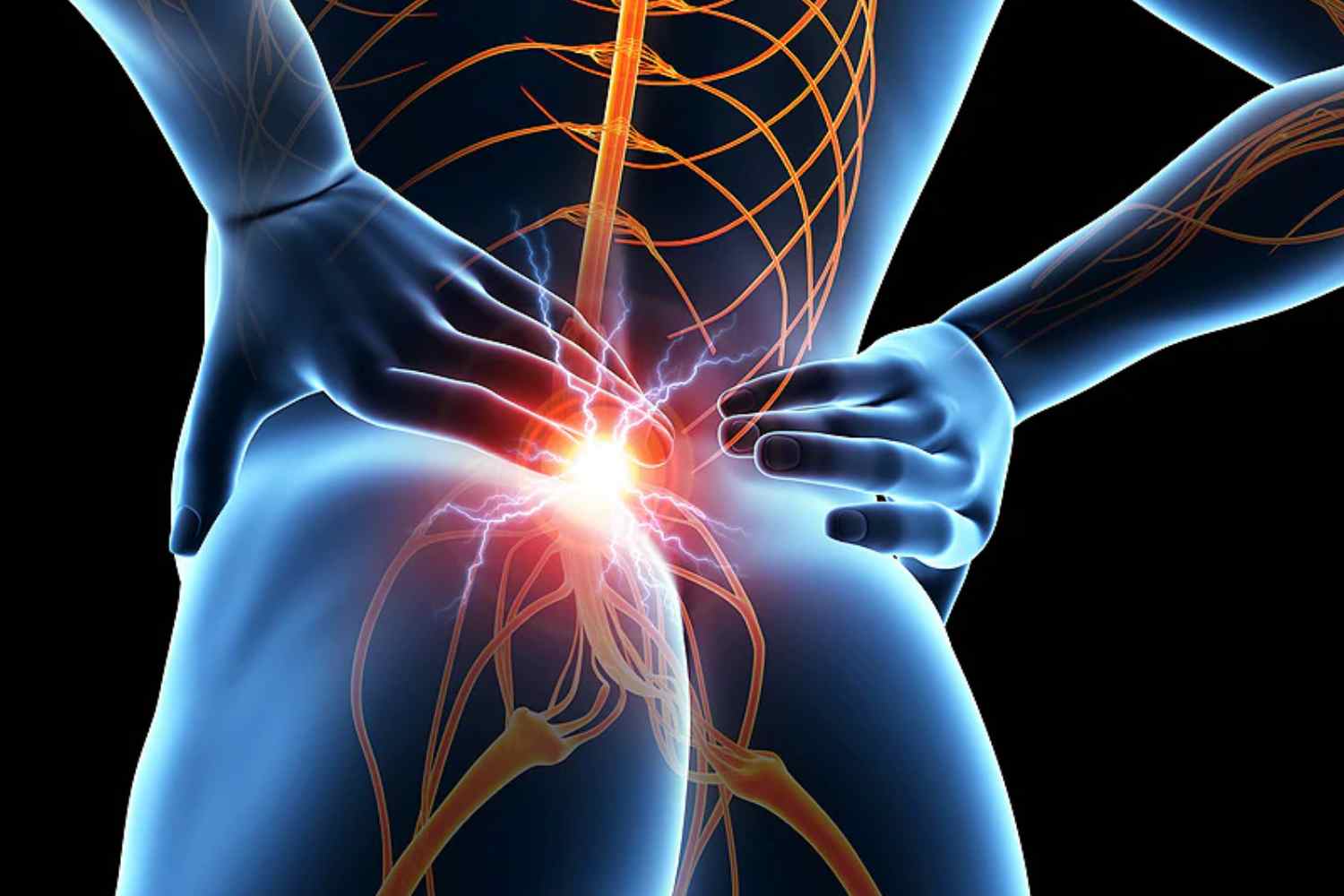
Sciatica relief
Sciatica Treatment in Davenport
A non surgical approach for pain, numbness, tingling, or weakness that travels from the low back into the leg.
Address the root cause
Sciatica often occurs when nerves are irritated by spinal pressure, disc issues, muscle tension, or movement dysfunction. Abundant Health evaluates the root cause instead of only chasing symptoms.

Root cause
Four contributors we look at
Disc Pressure
Spinal disc pressure can irritate nearby nerves.
Nerve Irritation
Nerve related symptoms may travel into the hip, leg, or foot.
Muscle Tension
Tight muscles may add stress to the nerve pathway.
Movement Dysfunction
Daily posture and movement patterns may contribute to symptoms.
Concerns we hear
Sciatica Symptoms That May Affect Daily Movement
If any of these sound familiar, you are in the right place.
Low back pain with leg symptoms
A familiar pain pattern that interferes with daily life — and one our integrated approach is built to address.
Pain traveling into the hip, leg, or foot
A familiar pain pattern that interferes with daily life — and one our integrated approach is built to address.
Tingling or numbness
Often a sign of nerve irritation we can help calm — most patients notice improvement with a personalized plan.
Weakness
Lost strength is rarely just age — it usually has a cause we can support and help rebuild.
Pain with sitting or standing
When everyday movement becomes uncomfortable, targeted care helps restore the confidence to keep moving.
The RENEW Healing Framework
What Your Sciatica Care Plan May Include
Evaluation
We map the source.
Care Plan
Decompression, chiropractic, SoftWave, red light, mobility plan.
Progress Support
Adjust as you respond.
What you may notice
Potential Benefits of Personalized Sciatica Care
Reduced sciatic nerve irritation
Less leg pain
Improved mobility
Better walking comfort
Support for spinal health
Sciatica — What to Expect
Your evaluation begins by looking at where your symptoms originate and whether pain, numbness, tingling, or weakness travels into the buttock or leg. Because several conditions can produce sciatica-like symptoms, identifying the likely source helps guide appropriate care.

- Review of lower-back, buttock, and leg symptoms
- Evaluation of spinal and lower-body movement
- Consideration of numbness, tingling, weakness, or other neurological symptoms
- Personalized treatment recommendations based on your evaluation
- Progress monitored through changes in symptoms, mobility, and function
Continue exploring
Related Services and Conditions for Sciatica Care
Answers before you ask
Common Questions About Sciatica Care
What symptoms can sciatica cause besides pain down the leg?
Sciatica may include tingling, numbness, burning, or weakness along part of the leg or foot. Lower-back pain may or may not be present. Similar symptoms can arise from other conditions, so an examination helps identify the likely source.
How is sciatica different from other causes of leg pain?
Sciatica describes symptoms related to irritation of nerve roots in the lower spine. Other leg pain may arise from joints, muscles, peripheral nerves, or circulation problems. Symptom distribution, examination findings, and sometimes testing help distinguish these causes.
Why might sitting, bending, or certain movements worsen sciatica symptoms?
Certain positions and movements can increase irritation around a sensitive nerve or nearby tissues. Triggers vary, and a movement that bothers one person may not bother another. An assessment can help guide activity adjustments without unnecessarily avoiding all movement.
How is sciatica evaluated to identify the source of symptoms?
Evaluation usually includes the symptom pattern, health history, movement, strength, sensation, and reflexes. Imaging is not automatically required. It may be considered for concerning findings, progressive weakness, or persistent symptoms when results would help guide care.
Which symptoms associated with sciatica require emergency medical care?
Seek emergency care for new bladder or bowel dysfunction, numbness around the groin or inner thighs, or rapidly worsening leg weakness. Symptoms affecting both legs with these changes are particularly concerning. Do not wait for a routine appointment.