
Calm, reassuring recovery
Whiplash Treatment in Davenport
Care for whiplash, neck stiffness, headaches, reduced range of motion, and accident related discomfort.
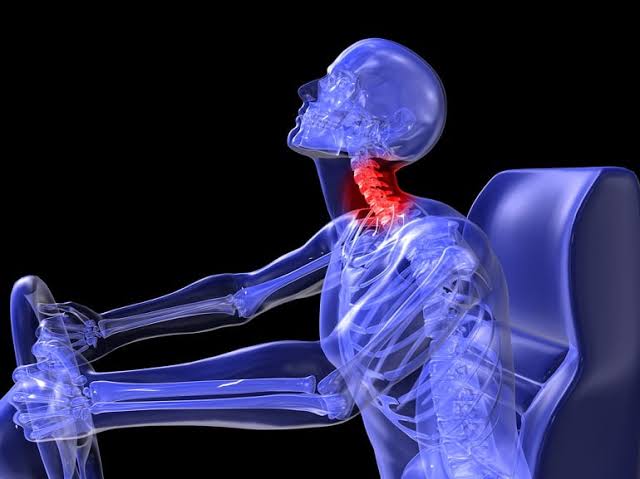
Whiplash may not show up right away
Whiplash can occur when the neck moves suddenly, often during an auto accident. Symptoms may not always appear immediately, which is why early evaluation can be important.
Concerns we hear
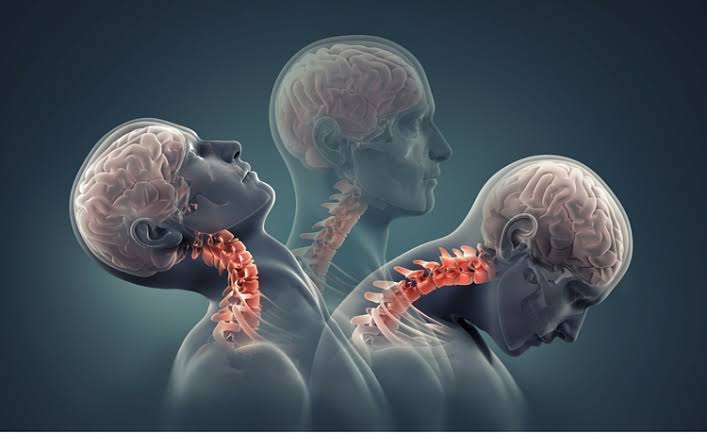
Symptoms after impact
If any of these sound familiar, you are in the right place.
Neck pain
A familiar pain pattern that interferes with daily life — and one our integrated approach is built to address.
Headaches
A familiar pain pattern that often eases with care that targets the underlying tension and nerve triggers.
Stiffness
Restricted movement that builds up over time. Targeted therapy helps restore comfortable range of motion.
Shoulder tension
Restricted movement that builds up over time. Targeted therapy helps restore comfortable range of motion.
Reduced range of motion
Restricted movement that builds up over time. Targeted therapy helps restore comfortable range of motion.
Radiating symptoms
A common concern we hear from patients — and one our integrated approach is built to address.
The RENEW Healing Framework
What Your Whiplash Care Plan May Include
Consultation
We listen to what happened and how your symptoms have developed.
Evaluation
Movement, tension, discomfort, related symptoms.
Possible Imaging
When appropriate.
Care Plan
Chiropractic, decompression, SoftWave, recovery support.
What you may notice
Potential Benefits of Personalized Whiplash Care
Reduced stiffness
Improved mobility
Better recovery support
Clearer understanding of the injury
Support for accident related symptoms
Whiplash — What to Expect
Whiplash symptoms may develop after an auto accident or another sudden acceleration-deceleration injury. Your evaluation considers neck movement, pain, stiffness, headaches, and other symptoms to develop an appropriate care plan.

- Detailed review of the accident or injury
- Evaluation of neck mobility, stiffness, and movement
- Discussion of headaches, shoulder discomfort, or radiating symptoms
- Personalized care recommendations based on your findings
- Documentation and progress monitoring throughout care
Continue exploring
Related Services and Conditions for Whiplash Care
Answers before you ask
Common Questions About Whiplash Care
What symptoms can whiplash cause besides neck pain?
Whiplash may cause neck stiffness, headaches, shoulder discomfort, dizziness, or difficulty moving the neck. Some people also report tingling or pain extending into an arm. An evaluation can help determine whether symptoms relate to whiplash or another injury.
Can whiplash symptoms appear hours or days after an accident?
Yes. Symptoms may begin immediately or develop over the following hours or days. Feeling comfortable right after an accident does not rule out an injury. Seek medical advice if symptoms develop, persist, or worsen.
Should I have an evaluation after an accident even if my symptoms seem mild?
An evaluation may be appropriate, particularly if you have neck pain, stiffness, headaches, or other new symptoms. The urgency depends on the accident and your symptoms. A significant collision or signs of a serious injury require prompt medical assessment.
What factors can affect recovery from whiplash?
Recovery varies depending on the injury, symptom severity, previous neck problems, overall health, and daily activities. Persistent symptoms may require reassessment. A clinician can discuss appropriate activity, symptom management, and whether additional care or referral is needed.
Which symptoms after a neck injury require urgent medical attention?
Seek emergency care for new or worsening weakness, difficulty walking, loss of bladder or bowel control, or severe neck pain after significant trauma. Severe headache, confusion, fainting, or repeated vomiting after an accident also require urgent assessment for a possible head injury.