

Nerve Health and Daily Function
Peripheral Neuropathy in Davenport, Iowa
A coordinated approach to sensation, strength, balance, foot care, and the medical contributors behind nerve symptoms.
Start With the Cause
Peripheral Neuropathy Is Not One Single Condition
Peripheral neuropathy describes disorders involving nerves outside the brain and spinal cord. Diabetes is a common contributor, but nutrition, thyroid or kidney disease, medications, alcohol exposure, autoimmune conditions, trauma, and other factors may also be involved.

Three Areas We Review
A Broader View of Nerve Function
01
Sensation
Burning, numbness, tingling, temperature changes, or pain from light touch.
02
Movement
Weakness, cramping, reduced coordination, and changes in walking confidence.
03
Daily Protection
Foot care, fall risk, footwear, activity, and habits that help protect reduced sensation.
Patient Education
Understand the Early Warning Signs
A Clear Process
A Coordinated Neuropathy Evaluation
01
Listen
We review symptoms, health history, medications, and functional goals.
02
Measure
The evaluation may review sensation, reflexes, strength, balance, and walking.
03
Investigate
Medical testing or coordination may be needed to identify treatable contributors.
04
Support
A plan may combine in-office care, home strategies, and medical coordination.
Candidacy and Safety
Is Our Peripheral Neuropathy Care Approach Right for You?
01
May Be a Fit
Adults with persistent nerve symptoms affecting comfort, walking, sleep, or independence.
02
Medical Management First
Identified causes such as diabetes or deficiency require appropriate medical management.
03
Referral When Needed
Rapid progression, wounds, severe weakness, or unclear diagnosis may need specialty care first.
Candidacy is determined after reviewing your history, current symptoms, goals, and any safety considerations. Urgent or unexplained symptoms may require medical evaluation before supportive care is considered.
Peripheral Neuropathy — What to Expect
Peripheral neuropathy can affect sensation, strength, balance, and everyday movement, particularly when symptoms involve the feet, legs, or hands. Your evaluation focuses on your symptom pattern, health history, and functional changes.
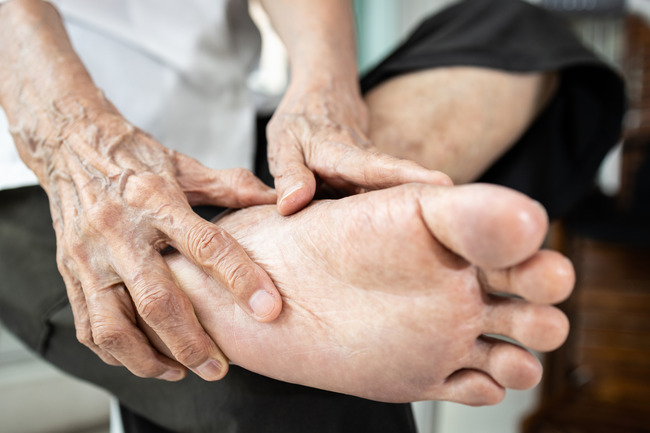
- Review of numbness, tingling, burning, or sensitivity
- Evaluation of sensation, balance, strength, and function
- Discussion of medical conditions, medications, and other relevant factors
- Personalized care recommendations based on your findings
- Referral for additional medical evaluation when appropriate