
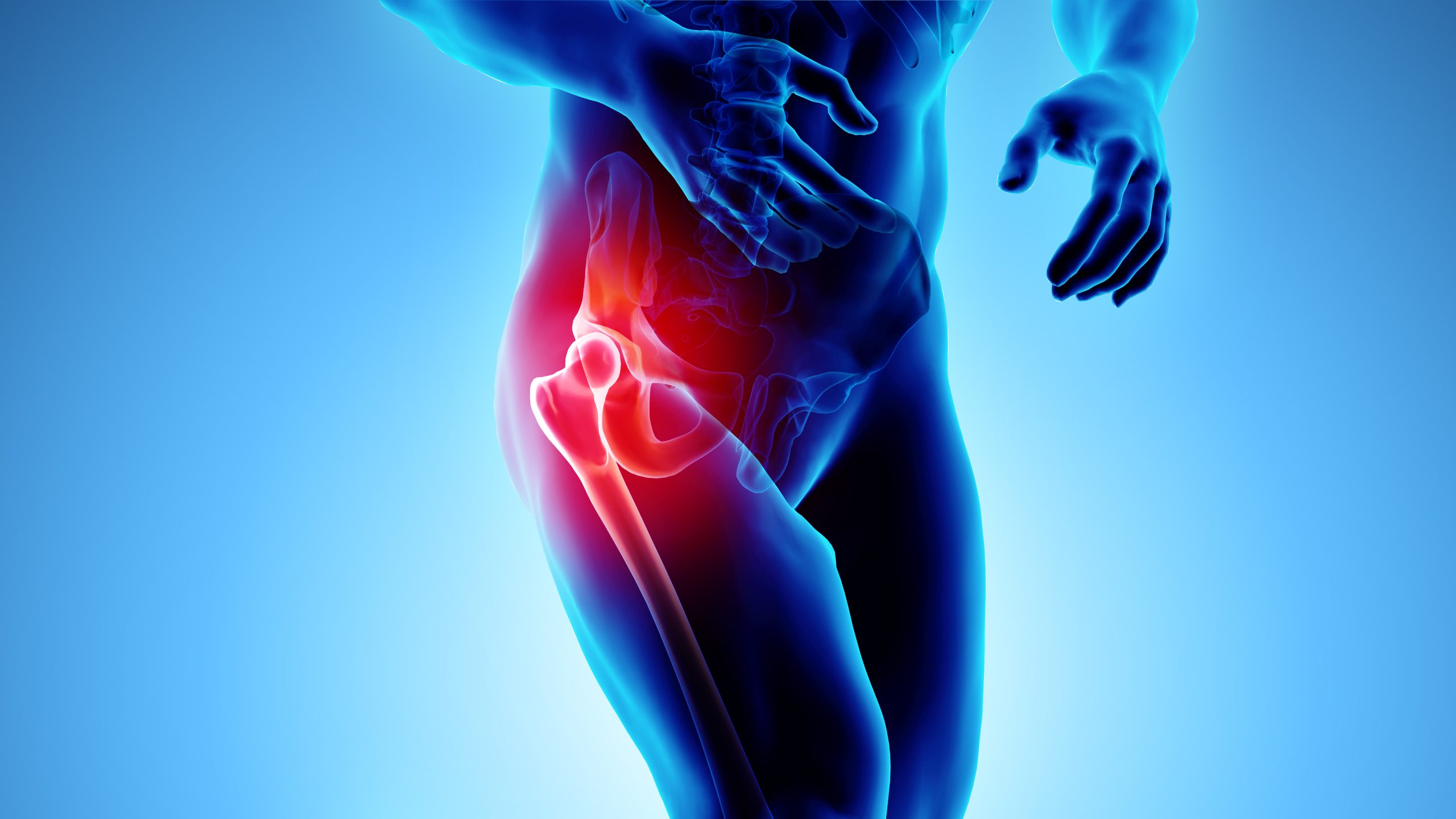
MOVE, WALK & LIVE MORE COMFORTABLY
Hip Pain Treatment in Davenport, IA
Personalized care for hip pain, stiffness, reduced mobility, activity-related discomfort, and symptoms that make walking, exercising, sleeping, or everyday movement more difficult.
Understanding What May Be Causing Your Hip Pain
Your hips play a central role in nearly every movement you make. Walking, climbing stairs, standing up, exercising, bending, and even getting comfortable at night can become difficult when hip pain or stiffness gets in the way.
Hip symptoms can involve the joint itself or structures surrounding it, including muscles, tendons, and other soft tissues. In some cases, discomfort felt around the hip may also be related to the lower back or irritated nerves.
At Abundant Health Physical Medicine, care begins with understanding your symptoms, mobility, health history, and how your hip is affecting everyday life before determining which treatment options may be appropriate.
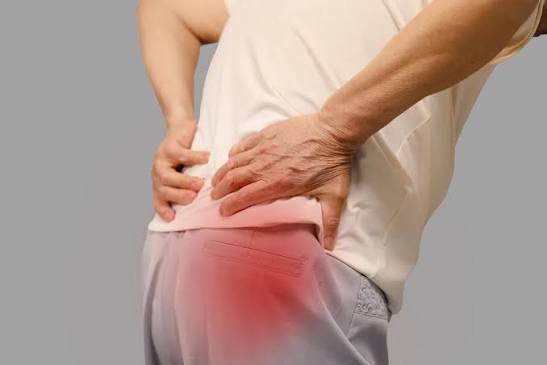
EVERYDAY MOVEMENT MATTERS
How Your Hips Are Asked to Perform
Walking & Standing
Climbing Stairs
Bending & Squatting
Getting Up & Sitting Down
Sports & Exercise
Sleeping & Daily Activities
CONCERNS WE EVALUATE
Hip Pain Can Take Many Forms
Where you feel discomfort, when it occurs, and which movements aggravate it can provide useful information about what may be contributing to your symptoms.
Hip Joint Pain
Pain felt deep within or around the hip may be associated with changes affecting the joint or surrounding structures. Symptoms may become more noticeable during walking, standing, rotating the hip, or other weight-bearing activities.
Hip Stiffness
Reduced hip mobility can make everyday movements such as getting out of a chair, putting on shoes, climbing stairs, or exercising more difficult.
Arthritis-Related Hip Symptoms
Changes associated with hip osteoarthritis may contribute to pain, stiffness, reduced range of motion, and difficulty with weight-bearing activities. Treatment recommendations depend on symptom severity, examination findings, and individual needs.
Outer Hip Pain
Pain along the outside of the hip may involve muscles, tendons, bursae, or other surrounding tissues. Activities such as walking, climbing stairs, exercise, or lying on the affected side may aggravate symptoms.
Activity-Related Hip Pain
Running, lifting, repetitive movement, sports, or sudden increases in activity can place additional demands on the hip and surrounding tissues.
Hip Weakness & Reduced Mobility
Changes in strength or mobility may affect walking, balance, exercise, and other daily activities. Understanding the contributing factors can help guide an appropriate care plan.
HIP ARTHRITIS & JOINT DISCOMFORT
When Hip Pain May Involve the Joint
The hip is a large weight-bearing joint that experiences considerable demand throughout everyday life. Over time, injury, repetitive stress, age-related changes, and other factors may affect how comfortably the joint moves.
Osteoarthritis is one condition commonly associated with persistent hip pain and stiffness. It involves changes within the joint that can develop gradually over time.
Symptoms associated with hip osteoarthritis may include:
- Pain during walking or other weight-bearing activities
- Stiffness after sitting or resting
- Reduced hip range of motion
- Difficulty climbing stairs
- Discomfort when bending or getting up from a chair
- Reduced ability to participate in exercise or recreational activities
- Symptoms that gradually become more persistent
Not every case of hip pain is caused by arthritis. A focused evaluation can help determine whether symptoms appear to involve the joint, surrounding tissues, another musculoskeletal structure, or a problem requiring additional medical evaluation.
OUTER HIP & SOFT-TISSUE PAIN
Could the Problem Be Around the Hip Rather Than Inside the Joint?
Sometimes pain that feels like "hip pain" originates from structures surrounding the joint.
Muscles, tendons, and bursae around the hip can become irritated or overloaded. One commonly recognized condition is greater trochanteric pain syndrome, which can involve tendons and/or the bursa along the outside of the hip and is sometimes referred to as hip bursitis.
Possible symptoms can include:
- Tenderness along the outside of the hip
- Discomfort while walking or climbing stairs
- Pain when lying on the affected side
- Symptoms following increased physical activity
- Discomfort during certain hip movements
- Pain extending along the outside of the upper thigh
Because joint and soft-tissue problems can produce overlapping symptoms, determining where the discomfort is coming from matters before selecting treatment.
HIP, BACK & NERVE-RELATED SYMPTOMS
Is the Pain Actually Coming From Your Hip?
Not necessarily.
The hip, pelvis, lower back, and surrounding nerves are closely connected. In some cases, symptoms experienced around the hip or buttock may originate from the lumbar spine or involve nerve irritation rather than the hip joint itself.
Symptoms such as:
- Pain extending into the buttock or leg
- Numbness or tingling
- Burning sensations
- Leg weakness
- Symptoms associated with lower-back movement
- Radiating discomfort
may warrant evaluation for possible spine or nerve involvement.
This distinction is important because treating the location where pain is felt isn't always the same as addressing the structure contributing to it.
THE RENEW HEALING FRAMEWORK
What Your Hip Pain Care Plan May Include
1
Hip & Movement Assessment
We begin by reviewing your symptoms, medical history, previous injuries, activity level, and movements that aggravate your hip. Your evaluation may consider mobility, function, strength, and other relevant findings.
2
Personalized Care Plan
Depending on your evaluation, recommendations may include regenerative care, SoftWave Therapy, chiropractic care, red light therapy, movement-focused care, recovery technologies, or other appropriate services.
3
Progress & Reassessment
Your comfort, mobility, and everyday function can be reassessed throughout care so recommendations can be adjusted based on your response.
WHAT YOU MAY NOTICE
Potential Benefits of Personalized Hip Pain Care
Depending on the underlying condition and your response to treatment, goals may include:
More Comfortable Hip Movement
Improved Mobility & Range of Motion
Better Comfort While Walking
Easier Everyday Movement
Support for Joint & Soft-Tissue Function
More Comfortable Return to Activity
Individual responses vary, and specific results cannot be guaranteed.
Hip Pain — What to Expect
Your first visit focuses on understanding where your hip pain occurs, which movements affect it, and how your symptoms are limiting everyday life. Because hip discomfort can originate from the joint, surrounding soft tissues, lower back, or other structures, your evaluation helps determine an appropriate next step.

- Discuss your symptoms and history: We'll review when the problem began, where you experience discomfort, previous injuries or treatment, and which activities aggravate your symptoms.
- Evaluate movement and function: Your assessment may consider hip mobility, walking, strength, range of motion, and other relevant functional findings.
- Consider possible sources of pain: We'll look at whether your symptoms appear to involve the hip joint, muscles, tendons, surrounding tissues, lower back, or possible nerve involvement.
- Develop a personalized recommendation: If care at Abundant Health may be appropriate, we'll explain the treatment options recommended based on your findings and goals.
- Monitor your progress: Changes in comfort, mobility, activity tolerance, and everyday function can be reassessed throughout care.
- Recommend additional evaluation when needed: If your symptoms suggest a condition requiring imaging, specialist assessment, or another type of medical care, an appropriate next step may be recommended.
ANSWERS BEFORE YOU ASK
Common Questions About Hip Pain Care
What can cause hip pain?
Hip pain can have many possible causes, including joint changes, osteoarthritis, muscle or tendon problems, bursae irritation, previous injuries, repetitive activity, and other musculoskeletal conditions. Some symptoms felt around the hip may also originate from the lower back or involve irritated nerves.
What are common symptoms of hip arthritis?
Hip osteoarthritis may cause pain, stiffness, reduced range of motion, and difficulty with activities such as walking, climbing stairs, bending, or getting up after sitting. An appropriate evaluation is needed to determine whether arthritis may be contributing to your symptoms.
What is hip bursitis?
The term hip bursitis is commonly used for pain involving irritation of a fluid-filled bursa around the hip. However, outer hip pain can also involve nearby tendons and other tissues, which is why an evaluation is useful before assuming bursitis is the cause.
Why does my hip hurt when I sleep on my side?
Outer hip structures can become sensitive to pressure, making lying on one side uncomfortable for some people. Joint, tendon, bursa, or other musculoskeletal problems can contribute, so persistent nighttime hip pain should be appropriately evaluated.
Can lower-back problems cause hip pain?
Yes. Certain lower-back and nerve-related conditions can produce symptoms around the hip, buttock, or leg. Your symptom pattern and examination findings can help determine whether the hip itself or another area may be involved.
Are there non-surgical options for hip pain?
Some causes of hip pain may be managed with conservative or non-surgical care. Other conditions, particularly advanced joint disease or significant injuries, may require specialist evaluation or surgery. The appropriate approach depends on the underlying condition and its severity.
Can regenerative therapy be used for hip pain?
Regenerative therapies may be considered for selected musculoskeletal or joint concerns following an appropriate clinical and medical evaluation. These therapies are not appropriate for every patient, and certain regenerative procedures remain investigational for specific orthopedic indications.
When should hip pain be evaluated promptly?
Severe pain after a fall or injury, inability to bear weight, visible deformity, significant swelling, fever with a painful joint, rapidly worsening weakness, or sudden neurological changes warrant prompt medical evaluation.