
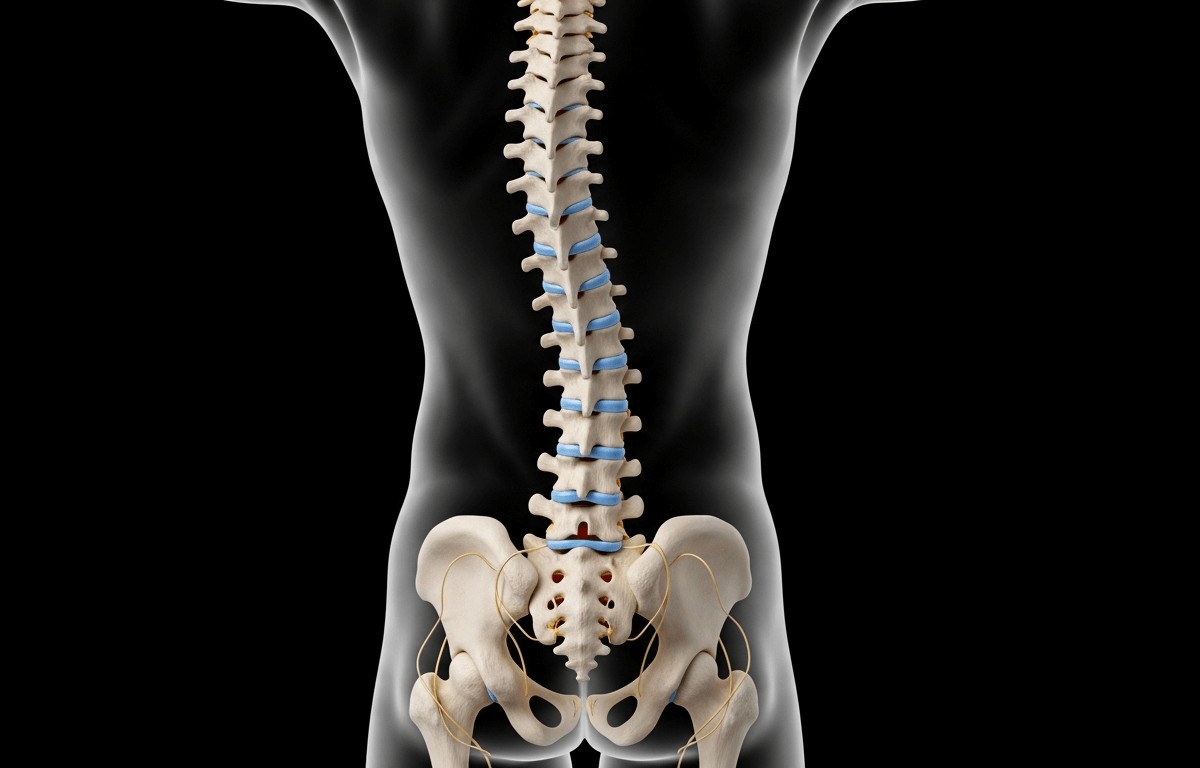
Supportive scoliosis care
Scoliosis Care in Davenport
Supportive care for patients with spinal curvature, posture issues, stiffness, or discomfort.
Evaluation first
Scoliosis can affect posture, movement, and comfort. While every case is different, Abundant Health focuses on evaluation, function, and supportive care that fits the patient’s needs.
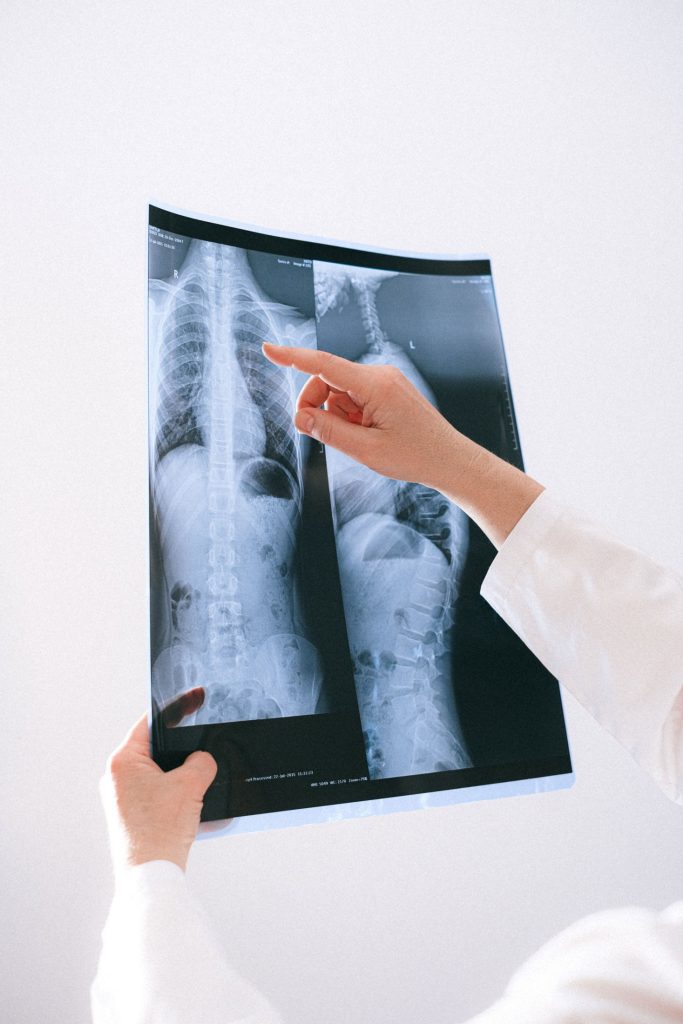
Evaluation lens
Four areas we review
Posture
Understand how posture and alignment affect daily comfort.
Mobility
Evaluate how the spine and body move.
Comfort
Identify stiffness, tension, and discomfort.
Function
Build recommendations around daily life and movement goals.
Concerns we hear
Scoliosis-Related Comfort and Movement Concerns We Evaluate
If any of these sound familiar, you are in the right place.
Spinal curvature
Postural patterns that can be retrained with consistent, structured care and movement support.
Postural imbalance
Unsettling balance symptoms that can be calmed with gentle care and nervous-system support.
Back stiffness
Restricted movement that builds up over time. Targeted therapy helps restore comfortable range of motion.
Muscle tension
Restricted movement that builds up over time. Targeted therapy helps restore comfortable range of motion.
Reduced mobility
Restricted movement that builds up over time. Targeted therapy helps restore comfortable range of motion.
The RENEW Healing Framework
What Your Supportive Scoliosis Care Plan May Include
Evaluation
Posture, mobility, comfort, function.
Plan
Chiropractic, mobility, recovery support as appropriate.
Adjust
Care evolves with your response.
What you may notice
Potential Benefits of Supportive Scoliosis Care
Improved posture awareness
Reduced discomfort
Better mobility
Support for spinal function
Clearer care recommendations
Scoliosis — What to Expect
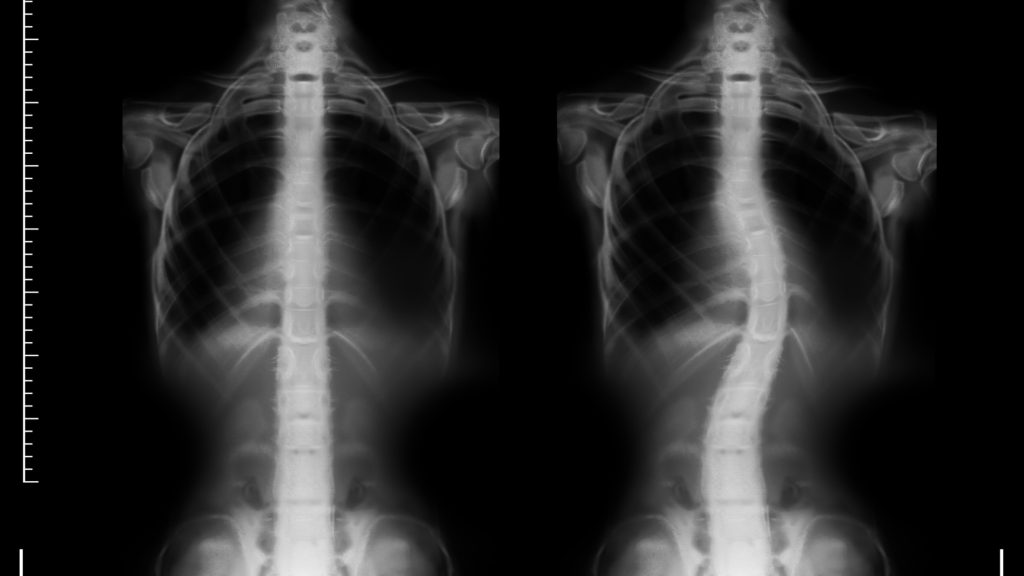
Scoliosis care begins with understanding your spinal history, current symptoms, mobility, and how spinal curvature may be affecting everyday function. Recommendations are individualized according to your evaluation and clinical needs.
- Review of your scoliosis history and current symptoms
- Evaluation of posture, spinal movement, and mobility
- Review of available imaging or previous medical findings when relevant
- Personalized recommendations based on symptoms and function
- Ongoing monitoring of mobility, comfort, and response to care
Continue exploring
Related Services and Conditions for Supportive Scoliosis Care
Answers before you ask
Common Questions About Supportive Scoliosis Care
How is scoliosis different from poor posture?
Scoliosis involves a sideways spinal curve, often with rotation, that differs from simply slouching or standing unevenly. Appearance alone cannot confirm the diagnosis. A clinical examination and, when appropriate, standing spinal X-rays help assess the curve.
Can scoliosis cause back pain or other symptoms in adults?
Some adults with scoliosis experience back pain, muscle fatigue, or difficulty with prolonged standing and walking; others have few symptoms. Leg pain or numbness may occur when associated spinal changes affect nerves. Symptoms should be evaluated rather than automatically attributed to the curve.
How is scoliosis diagnosed, and when might imaging be needed?
Diagnosis usually begins with a health history and examination of spinal alignment, movement, and neurological function. Standing X-rays may be used to measure the curve. Additional imaging depends on symptoms, examination findings, or concerns about another condition.
What can non-surgical care realistically address in someone with scoliosis?
Non-surgical care may focus on pain management, strength, mobility, and everyday function. The approach depends on age, curve characteristics, and symptoms. Non-surgical care cannot guarantee that a structural curve will straighten or stop progressing, so care is built around your symptoms, function, and goals.
When should someone with scoliosis see a spine specialist?
Specialist assessment may be appropriate for a newly identified curve in a growing child, suspected progression, significant pain, or worsening function. New weakness or neurological symptoms also need medical assessment. Rapidly developing weakness or bladder or bowel changes require emergency care.