
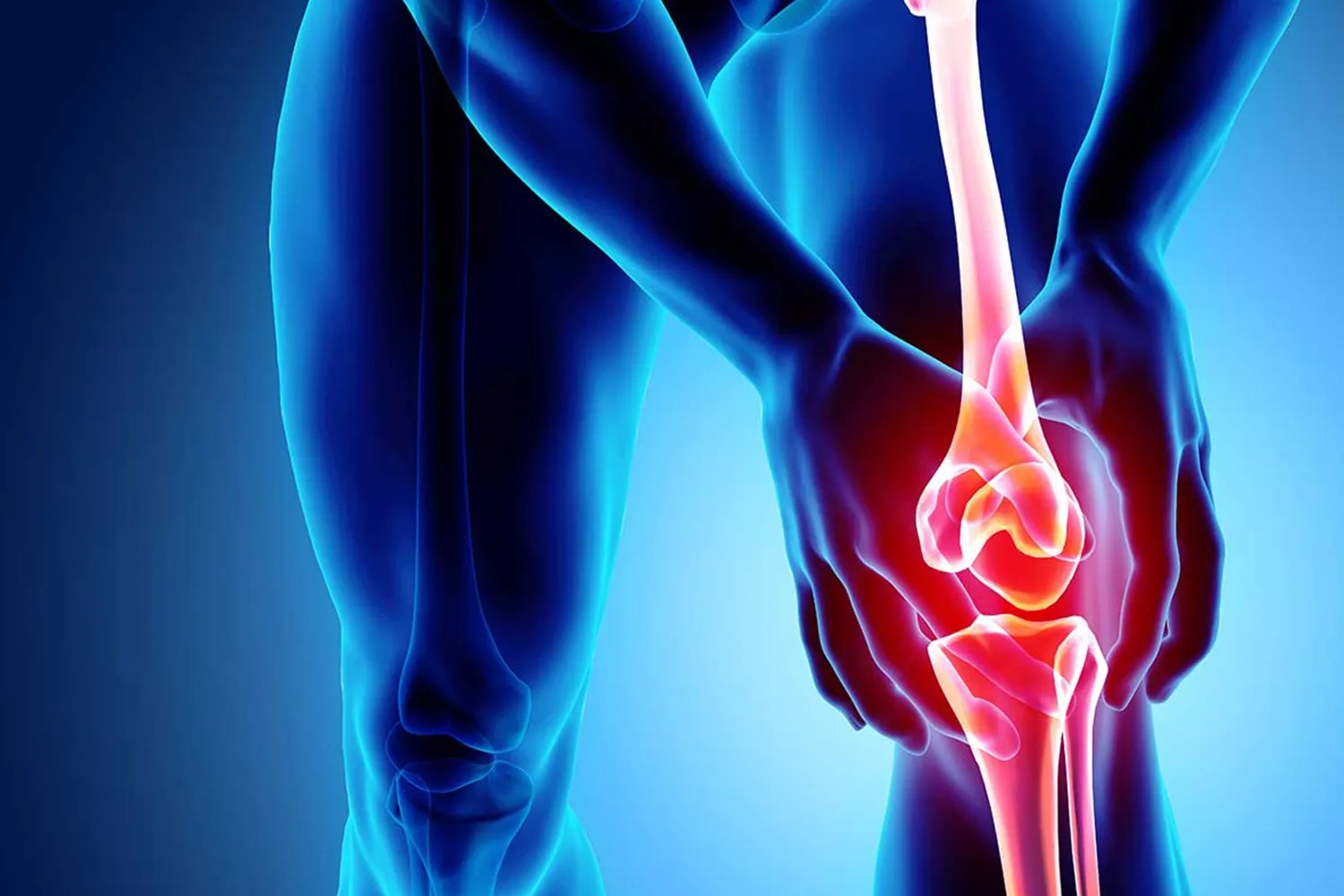
Move freely again
Knee Pain Treatment in Davenport
Non surgical care for knee pain, stiffness, joint discomfort, and mobility limitations.
Address knee pain without rushing to surgery
Knee pain can limit everything from exercise to basic daily movement. Abundant Health evaluates what may be driving the pain and whether regenerative therapy, knee decompression, SoftWave, or recovery support may help.

Non surgical knee support
Four tools we may combine
Knee Decompression
SoftWave Therapy
Medical Grade Red Light Therapy
Longevity Care
Concerns we hear
Knee Symptoms That May Affect Walking and Daily Movement
If any of these sound familiar, you are in the right place.
Pain with walking or stairs
When everyday movement becomes uncomfortable, targeted care helps restore the confidence to keep moving.
Knee stiffness
Restricted movement that builds up over time. Targeted therapy helps restore comfortable range of motion.
Swelling or discomfort
A common concern we hear from patients — and one our integrated approach is built to address.
Arthritis related symptoms
Joint-wear discomfort that can be eased with the right blend of regenerative care and movement support.
Reduced mobility
Restricted movement that builds up over time. Targeted therapy helps restore comfortable range of motion.
The RENEW Healing Framework
What Your Non-Surgical Knee Pain Care Plan May Include
Consultation
We review your goals and history.
Evaluation
Mobility, joint function, and pain pattern.
Plan
Regenerative, decompression, SoftWave, red light, wellness.
What you may notice
Potential Benefits of Non-Surgical Knee Pain Care
Reduced knee discomfort
Improved walking ability
Better joint function
Improved mobility
Support avoiding unnecessary surgery
Knee Pain — What to Expect
Your first visit focuses on understanding your knee symptoms, mobility, and the activities that have become difficult. We’ll evaluate relevant aspects of knee function before determining which conservative, regenerative, or other treatment options may be appropriate.
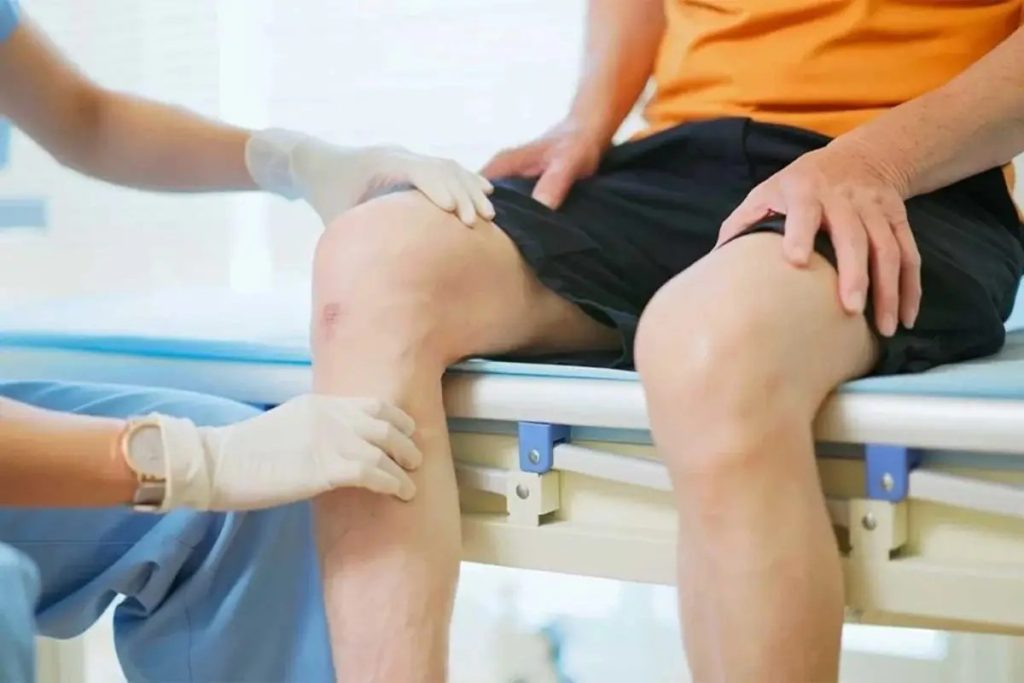
- Review of knee pain, stiffness, swelling, and previous injuries
- Evaluation of knee mobility, movement, and everyday function
- Consideration of joint, tendon, soft-tissue, or arthritis-related factors
- Personalized treatment recommendations based on your evaluation
- Progress monitored through mobility, comfort, and activity tolerance
Continue exploring
Related Services and Conditions for Non-Surgical Knee Pain Care
Answers before you ask
Common Questions About Non-Surgical Knee Pain Care
What can cause knee pain when walking, climbing stairs, or standing up?
These activities load the knee and may reveal symptoms from arthritis, kneecap-related pain, tendon problems, or an injury. Pain location, swelling, stiffness, and how symptoms began help distinguish causes. The activity that hurts does not identify the diagnosis by itself.
How can knee arthritis symptoms differ from symptoms of an injury?
Arthritis often develops gradually with activity-related pain and stiffness, while an injury may begin after a twist, fall, or impact. However, arthritis can flare suddenly, and some injuries develop gradually. An evaluation is needed when symptoms persist or limit function.
What might knee swelling, locking, or giving way indicate?
These symptoms can occur with joint irritation, meniscus problems, ligament injuries, or other conditions. A knee that becomes stuck and cannot fully straighten needs prompt assessment. Repeated giving way also warrants evaluation because it can increase the risk of falling.
What factors determine whether non-surgical knee care may be appropriate?
The cause of pain, injury severity, joint stability, symptoms, activity goals, and overall health all matter. Examination and sometimes imaging help guide recommendations. Non-surgical options are not appropriate for every problem and should not delay a necessary specialist referral.
When should knee pain be evaluated urgently?
Seek urgent care for a hot, swollen knee with fever, significant deformity, inability to bear weight after an injury, or a locked knee. Sudden calf swelling or pain also needs prompt assessment; accompanying chest pain or shortness of breath is an emergency.