
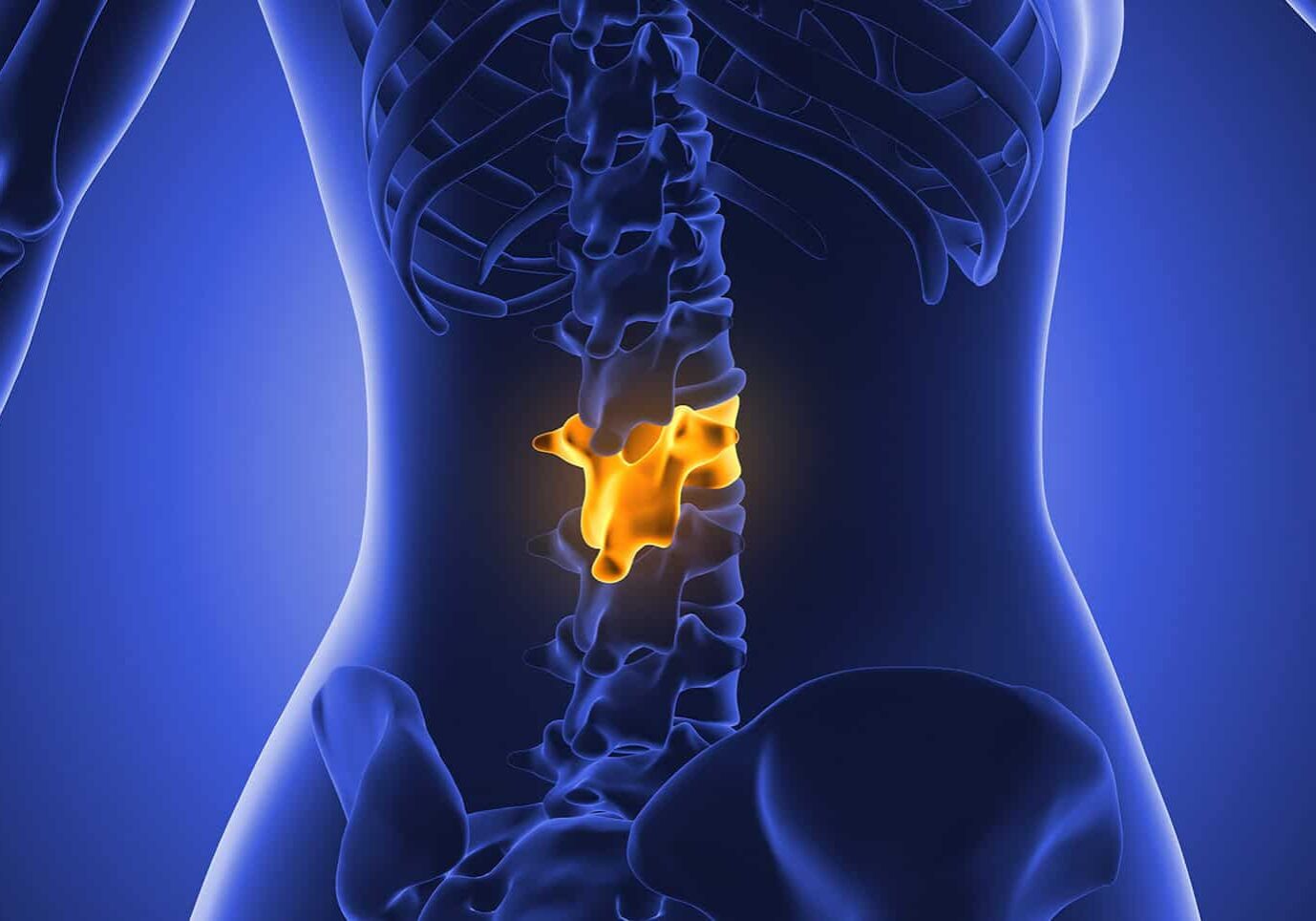
Conservative disc care
Disc Injury Treatment in Davenport
Conservative care for patients with disc related pain, nerve irritation, and movement limitations.
Understand the source first
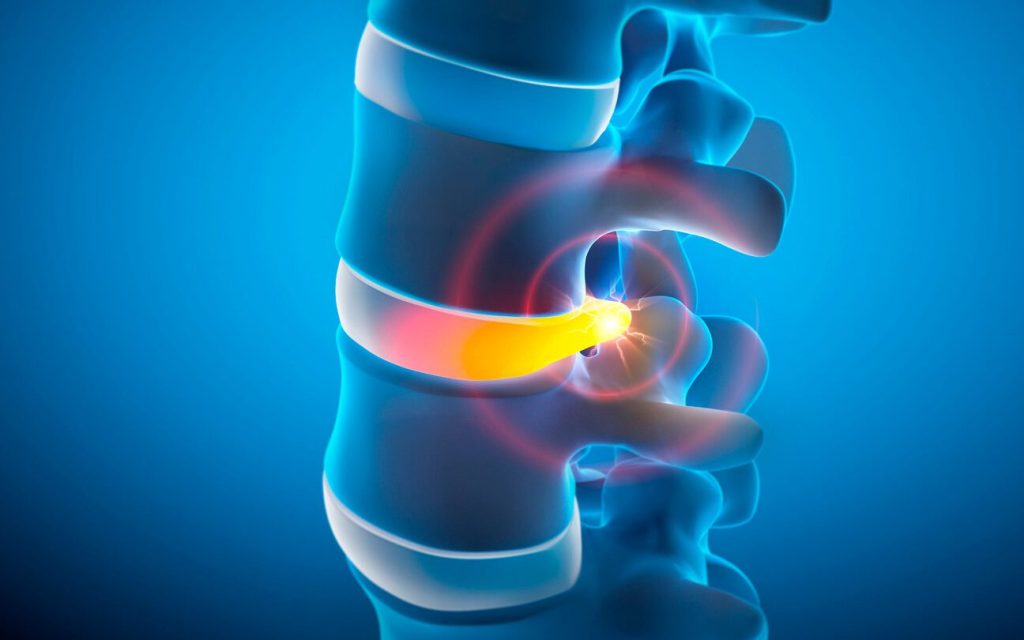
Disc injuries can irritate nerves and limit daily function. The team may use evaluation, imaging, and movement assessment to understand the source and severity of the issue.
Conservative options
What may be part of your plan
Spinal Decompression
Chiropractic Care
SoftWave Therapy
Medical Grade Red Light Therapy
Recovery Support
Concerns we hear
Disc-Related Symptoms We Evaluate
If any of these sound familiar, you are in the right place.
Bulging or herniated disc symptoms
Disc-related discomfort often responds well to spinal decompression and supporting recovery therapies.
Back or neck pain
A familiar pain pattern that interferes with daily life — and one our integrated approach is built to address.
Radiating pain
A familiar pain pattern that interferes with daily life — and one our integrated approach is built to address.
Numbness or tingling
Often a sign of nerve irritation we can help calm — most patients notice improvement with a personalized plan.
Pain with bending or sitting
When everyday movement becomes uncomfortable, targeted care helps restore the confidence to keep moving.
The RENEW Healing Framework
What Your Conservative Disc Injury Care Plan May Include
Evaluation
Imaging when appropriate.
Plan
Decompression, chiropractic, SoftWave, red light.
Recovery
Support healing through movement.
What you may notice
Potential Benefits of Conservative Disc Injury Care
Reduced disc pressure
Less nerve irritation
Improved mobility
Better comfort with movement
Non surgical care options
Disc Injury — What to Expect
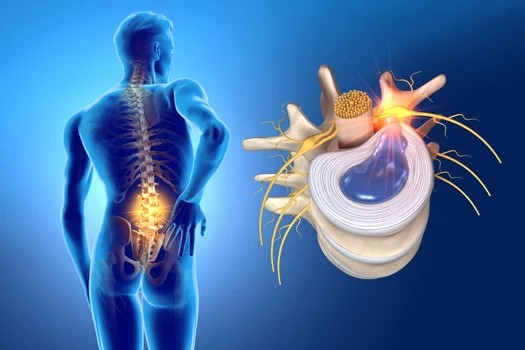
Disc-related symptoms can vary considerably depending on the location and structures involved. Your first visit focuses on your symptoms, spinal function, and possible nerve involvement to determine which next steps may be appropriate.
- Review of pain, injury history, and previous treatment
- Evaluation of spinal mobility and movement
- Assessment of radiating pain, numbness, tingling, or weakness when present
- Consideration of decompression or other conservative care when appropriate
- Additional medical evaluation or imaging may be recommended when needed
Continue exploring
Related Services and Conditions for Conservative Disc Injury Care
Answers before you ask
Common Questions About Conservative Disc Injury Care
What is the difference between a bulging disc and a herniated disc?
A bulging disc extends outward over a broader area, while a herniated disc involves a more localized displacement of disc material. Either may occur without symptoms. Imaging findings need to be interpreted alongside symptoms and examination findings.
Can a disc injury cause pain, numbness, or tingling in an arm or leg?
Yes. A disc problem may irritate a nearby nerve, causing symptoms into an arm from the neck or into a leg from the lower back. However, other conditions can cause similar symptoms, so an examination is important.
Does every disc injury require an MRI?
No. Many cases can initially be assessed through a history and physical examination. MRI may be appropriate for significant or progressive neurological findings, concerning symptoms, or persistent symptoms when the result would help guide treatment decisions.
When might non-surgical care be considered for a disc injury?
Non-surgical care is often considered when there are no emergency findings or progressive neurological problems. Options depend on symptoms, function, health history, and examination findings. Some cases require specialist assessment, and suitability for any specific treatment must be evaluated individually.
Which symptoms of a possible disc injury require emergency medical care?
Seek emergency care for new difficulty urinating, loss of bladder or bowel control, numbness around the groin or inner thighs, or rapidly worsening leg weakness. New difficulty walking or significant arm or leg weakness also requires urgent assessment.